The threat level for commercial shipping in the Strait of Hormuz has been raised to "severe" following a series of Iranian military attacks on tankers, a US-led naval coalition warned merchant vessels on Tuesday.
The escalation marks a sharp deterioration in security for the world's most critical energy chokepoint, ending a brief period of relative calm that had allowed some normalization of transit patterns.
Iran's military has issued a direct ultimatum to shipping operators, warning that it will target any vessels that fail to use a northern route approved by Tehran.
This directive effectively challenges the established transit corridors protected by the US Navy, creating a binary choice for energy traders and shipping lines: comply with Iranian routing demands or face the risk of kinetic engagement.
The move follows recent Iranian strikes on a Qatari vessel in the strait, signaling a broadening of targets beyond Western-flagged assets.
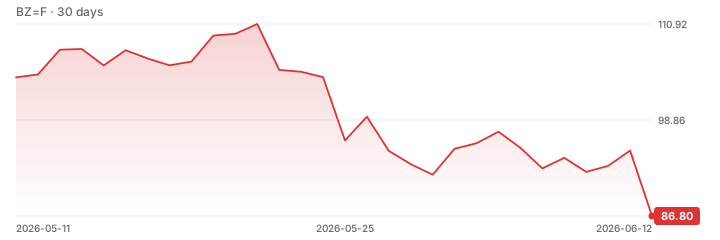
The immediate market implication is a repricing of shipping risk premiums across global energy markets.
Brent crude and natural gas futures are likely to reflect the heightened probability of supply disruption as insurers reassess war-risk premiums and shipping companies evaluate the viability of the strait for near-term deliveries.
The US has responded to the escalation with fresh military strikes against targets in Iran, further complicating the security environment and raising the stakes for any diplomatic de-escalation.
For traders, the focus now shifts to the operational response of major shipping lines and the potential for broader regional conflict.