India is exploring diplomatic and operational measures, including potential direct negotiations with Iran, to secure safe passage for at least nine laden tankers carrying crude oil and liquefied petroleum gas currently waiting in the Persian Gulf.
The vessels are stranded near the Strait of Hormuz as a previously agreed ceasefire shows signs of instability, leaving commercial shipping exposed to renewed geopolitical risk.
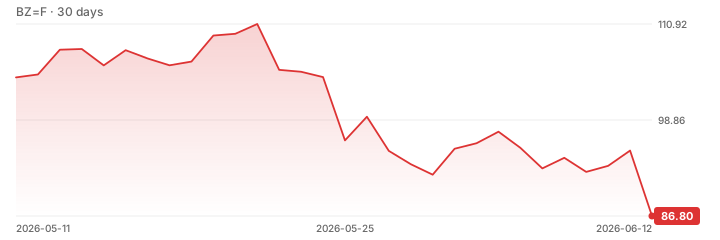
Brent crude prices remain sensitive to developments in the region, having jumped over 2% earlier this week amid fears that military strikes could threaten the interim peace.
The move underscores the immediate logistical pressure mounting on major energy importers as the diplomatic window narrows.
With US-Iran talks set to resume this week, the fate of these stranded cargoes has become a tangible indicator of the truce’s fragility.
The situation adds a layer of operational uncertainty to an already volatile corridor, where shipping risk premiums have persisted despite preliminary peace efforts.
Brent crude prices remain sensitive to developments in the region, having jumped over 2% earlier this week amid fears that military strikes could threaten the interim peace. The presence of laden tankers unable to transit the chokepoint reinforces supply-side anxieties, particularly for Asian markets reliant on Middle Eastern flows.
Any delay in securing passage could tighten regional supply balances and keep upward pressure on energy benchmarks.