Iran has elevated control of the Strait of Hormuz to its highest strategic priority, surpassing even its long-disputed nuclear program in importance.
The regime now views the waterway as a decisive leverage point, willing to risk renewed military exchanges with the United States to maintain dominance over this critical global energy artery.
This shift in strategic calculus marks a significant hardening of Tehran’s posture, moving beyond diplomatic posturing to active operational control of the chokepoint.
The implications for global trade are immediate and severe.
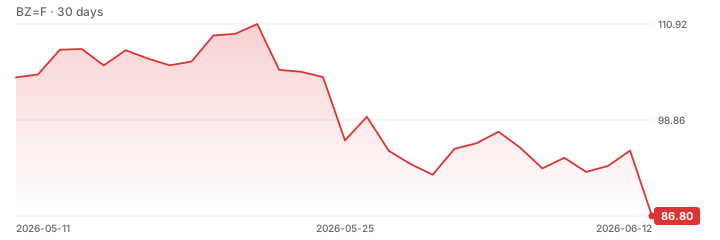
As the primary transit route for a substantial portion of the world’s seaborne oil, any disruption or threat to shipping in the Strait directly impacts Brent crude prices and tanker freight rates.
Market participants are now pricing in a higher premium for geopolitical risk, with insurance costs for vessels transiting the region likely to remain elevated.