Iran has moved to formalize its threat to impose transit fees on commercial vessels navigating the Strait of Hormuz, with its ambassador to China announcing that allied nations would receive preferential treatment.
The statement marks a significant escalation in Tehran's leverage strategy, shifting from general threats of closure to a structured, discriminatory tolling system that directly challenges international maritime norms.
The announcement comes as diplomatic talks between Washington and Tehran have stalled, leaving the world's most critical energy chokepoint exposed to heightened political risk.
By carving out exemptions for friendly states, Iran aims to pressure Western-aligned economies while maintaining supply lines for its geopolitical partners, effectively weaponizing the transit route in the ongoing standoff.
Markets are likely to scrutinize the operational feasibility of such a regime, but the mere signaling of a tiered fee structure introduces new uncertainty for global shipping and energy flows.
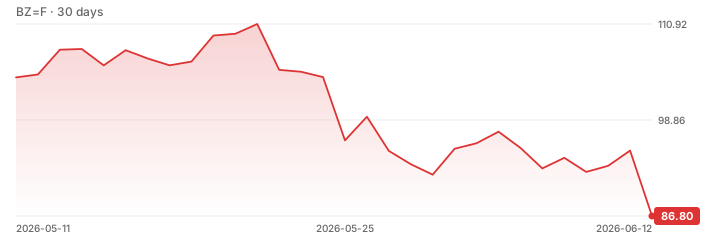
Brent crude prices remain sensitive to any development that suggests a fragmentation of Hormuz transit rules, as traders price in the potential for increased insurance premiums and route diversions.