Iran has struck a cargo ship in the Strait of Hormuz, marking a significant escalation in regional hostilities and a direct defiance of recent U.S. ultimatums.
The attack on a commercial vessel represents a shift from previous warning shots to active engagement with maritime traffic in one of the world's most critical energy chokepoints.
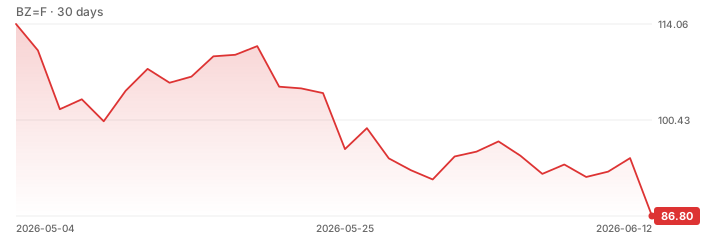
Approximately 20% of the world's oil passes through the Strait of Hormuz, and any disruption to tanker flows can trigger sharp repricing in Brent crude and freight rates.
The incident follows a period of heightened tension, with Iran renewing claims to unilateral authority over shipping in the strait and warning Gulf neighbors against aligning with Washington.
The United States has already launched military strikes against targets in Iran in response to earlier attacks on commercial shipping, signaling a rapid deterioration in diplomatic channels.
For markets, the direct targeting of a cargo ship introduces immediate uncertainty for global energy supplies.
Approximately 20% of the world's oil passes through the Strait of Hormuz, and any disruption to tanker flows can trigger sharp repricing in Brent crude and freight rates.