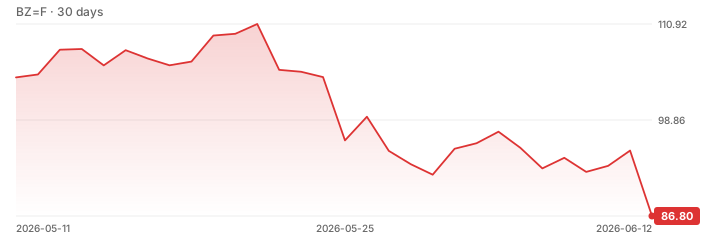
Iran struck three commercial vessels near the Strait of Hormuz on July 7, including a Qatari LNG carrier, marking a significant escalation in regional tensions.
The attacks have reignited fears of a supply shock in global energy markets, prompting immediate volatility in Brent crude and liquefied natural gas prices.
This development follows the collapse of a ceasefire agreement, signaling a deterioration in the security environment for one of the world’s most critical energy arteries.
The Strait of Hormuz handles a substantial portion of global oil and LNG flows, and any disruption poses immediate risks to supply chains.
Markets are reacting to the heightened geopolitical pressure, with traders assessing the potential for further strikes on shipping infrastructure.
The incident underscores the fragility of energy trade routes in the region, where military activity can quickly translate into price spikes for commodities.