A fleet of ten Japan-linked vessels has successfully exited the Strait of Hormuz, marking a critical step toward the normalization of shipping traffic in the region despite a sharp escalation in regional hostilities.
The movement comes just hours after Iran struck US military bases in Gulf states, an action that had raised immediate concerns about the security of this vital energy chokepoint.
The transit indicates that commercial operators are proceeding with caution but are not halting operations entirely in response to the heightened geopolitical risk.
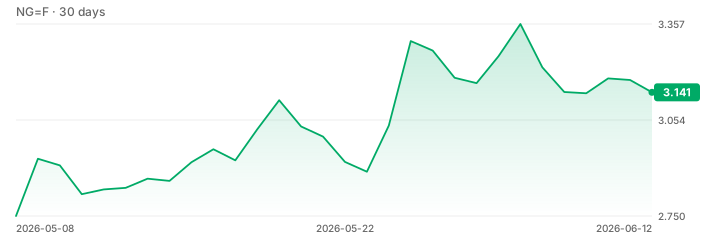
The resilience of shipping flows is particularly significant for global energy markets, which have been volatile following the recent explosion at Qatar’s Barzan LNG plant that killed 13 people and injured 54 others. That incident, combined with the current military tensions, had sparked fears of a dual supply shock from both infrastructure damage and route disruption.
The successful passage of these vessels, including liquefied natural gas carriers, suggests that the immediate threat to physical transit remains manageable, even as the broader security environment deteriorates.
This development provides a counterbalance to the supply-side anxieties that have been driving energy prices higher.