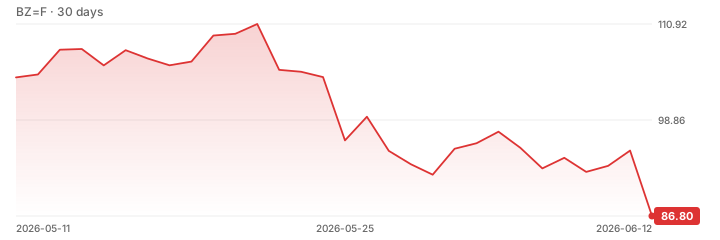
Namibia’s National Energy Fund is on the verge of depletion, with only N$200 million to N$300 million remaining in the reserve.
The fund has been drained by N$1.3 billion over the past two months as the government intervened to cap retail fuel prices for motorists amid rising global energy costs.
While Nigeria’s state-owned NNPC recently reported a 13% revenue contraction, Namibia’s situation highlights the direct budgetary impact of maintaining artificial price floors in a high-cost environment.
The rapid drawdown signals that the current subsidy regime is unsustainable at present levels.
With the buffer effectively gone, the market faces a high probability of a significant adjustment in pump prices unless the government injects fresh capital or alters its pricing policy.
This development underscores the fiscal strain on African governments attempting to insulate consumers from volatile energy markets.
While Nigeria’s state-owned NNPC recently reported a 13% revenue contraction, Namibia’s situation highlights the direct budgetary impact of maintaining artificial price floors in a high-cost environment.