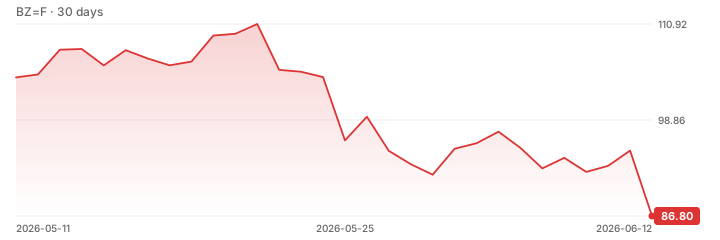
The collapse of the ceasefire between the United States and Iran has triggered immediate concerns over a sharp repricing in global energy markets.
Omid Nouripour, a prominent member of Germany’s Green Party, warned that the end of the truce would lead to rapidly rising oil prices, with the impact quickly becoming visible at the pump for European consumers.
Nouripour emphasized that the geopolitical shift poses a direct threat to household budgets and industrial costs, stating that the consequences would be felt "massively" across the region.
His comments underscore the fragility of the recent diplomatic progress and the speed at which market sentiment can reverse when security guarantees evaporate.
This development marks a significant deterioration from the framework agreement reached earlier in the year, which had previously sparked a relief rally in equities and a retreat in oil prices. The earlier deal aimed to de-escalate tensions in the Strait of Hormuz, a critical chokepoint for global oil shipments, and had led to working-level talks in Switzerland. However, the current breakdown suggests that the diplomatic channels have stalled, leaving markets exposed to renewed supply risks.
Traders are now likely to factor in a higher risk premium for Brent crude, reversing the downward pressure seen in June.