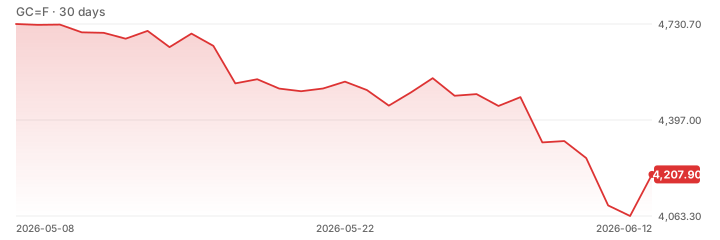
The Strait of Hormuz is reopening to commercial traffic faster than anticipated, following a memorandum of understanding signed between the United States and Iran.
This development marks a decisive shift from the prolonged disruption that characterized the waterway for more than 100 days, removing the primary bottleneck that had constrained global energy flows.
The immediate market implication is a potential reversal of the supply deficit that drove prices higher during the conflict.
With the chokepoint cleared, Middle Eastern oil producers are moving quickly to restart operations at wells that were shut in during the hostilities.
This surge in available supply, arriving simultaneously with the restoration of transit routes, raises the prospect of a near-term global oil surplus.
Analysts warn that the transition from a war-driven supply crunch to a post-conflict glut could destabilize energy markets.