A fully laden liquefied natural gas carrier was struck by a projectile as it exited the Strait of Hormuz near the Omani coast, marking a significant breach of the recent security understanding between Washington and Tehran.
The incident, reported by Moneyweb, has immediately heightened unease among shipowners and tests the fragile agreement intended to halt attacks in the world’s most critical energy chokepoint.
This development follows a period of relative calm after Qatar resumed LNG tanker movements through the strait, suggesting that the de-escalation may be more fragile than markets had priced in.
The attack underscores the persistent vulnerability of commercial shipping in the region, despite diplomatic efforts to secure the waterway.
With the British military having previously confirmed strikes on tankers in the corridor, this latest incident involving a Qatari vessel signals that rogue elements or miscalculations could still trigger broader disruptions. The proximity to the Omani coast, a key transit zone, adds to the operational complexity for insurers and shipping lines assessing route safety.
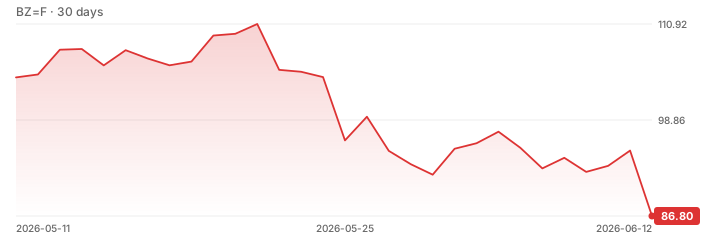
Markets are likely to reassess the risk premium embedded in energy prices, particularly for Brent crude and natural gas, which have been sensitive to geopolitical headlines in the region.
The incident comes as the US prepares to push for Strait of Hormuz security measures at the upcoming NATO summit, highlighting the ongoing diplomatic struggle to secure the waterway. Any further escalation could lead to renewed shipping disruptions, driving up freight rates and energy costs.