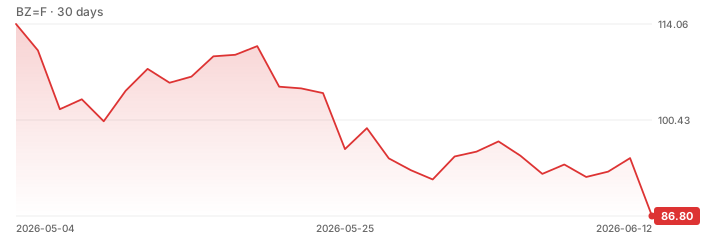
The Indian rupee is set to weaken at Monday's open as oil prices surge following Iran's expansion of military strikes on Gulf states.
The escalation, triggered by recent U.S. attacks, has revived acute risks to India's trade balance, shifting market focus sharply back to energy costs after a period of relative calm.
Brent crude climbed sharply in the session, reversing the multi-month lows seen earlier in July when diplomatic talks and easing Strait of Hormuz flows had calmed supply fears.
The rapid repricing of geopolitical risk underscores how quickly the risk premium can return when military confrontation widens beyond the immediate conflict zone.
For India, a net importer of crude, the spike in oil prices directly pressures the current account deficit and weighs on currency stability.
The rupee had recently extended gains supported by falling global oil prices, but the renewed selling pressure highlights the vulnerability of emerging-market currencies to Middle East supply shocks.
Traders are now monitoring the trajectory of Brent crude and the potential for further disruptions to shipping routes in the Gulf.
The next key catalyst will be official updates on the scope of Iranian strikes and any diplomatic response from Washington, which could determine whether the oil price surge is sustained or fades as a short-term spike..