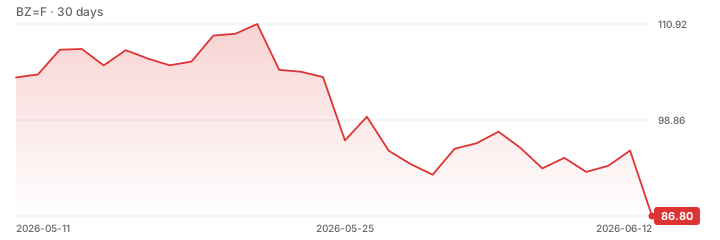
South Korea’s consumer price index climbed 3.2% year-on-year in June, marking the highest inflation rate in 30 months.
The acceleration was primarily driven by elevated oil prices stemming from ongoing geopolitical tensions in the Middle East, which have kept energy costs volatile across global markets.
8% in April 2026, the fastest pace in nearly three years, also fueled by energy costs linked to the same conflict.
This marks the second consecutive month that inflation has exceeded the 3% threshold, signaling that the pass-through effect of higher energy costs is persisting rather than fading.
The Bank of Korea is likely to view this data as a cautionary signal, reinforcing the need for a cautious approach to monetary easing despite broader global economic uncertainties.
The surge in Korean inflation mirrors trends seen elsewhere in the region and globally.
In the United States, consumer prices accelerated to 3.8% in April 2026, the fastest pace in nearly three years, also fueled by energy costs linked to the same conflict.