Security in the Strait of Hormuz has deteriorated sharply after a Qatari liquefied natural gas (LNG) tanker and a Saudi oil tanker were attacked in the critical waterway.
The incidents mark a significant escalation in regional tensions, prompting the US Navy to raise its alert level in response to the immediate threat to commercial shipping.
The attacks come just days after diplomatic efforts in Doha stalled, leaving the shipping risk premium intact and undermining earlier signals that transit through the chokepoint was stabilizing.
The targeting of an LNG vessel is particularly concerning given the high volatility of the cargo and the potential for catastrophic environmental and supply disruptions.
Markets are likely to reassess the near-term outlook for energy flows through the Strait, which handles a substantial portion of global oil and LNG trade.
The renewed violence casts doubt on the durability of the ceasefire that had previously helped curb Gulf supply fears, potentially leading to higher insurance premiums and rerouting costs for tanker operators.
The US reimposition of Iran oil sanctions, announced alongside reports of the escalating attacks, further complicates the geopolitical landscape.
This dual pressure of military tension and economic sanctions creates a volatile environment for energy traders and shipping companies operating in the region.
Investors should monitor official statements from the US Navy and regional authorities for updates on route security and any changes to insurance terms.
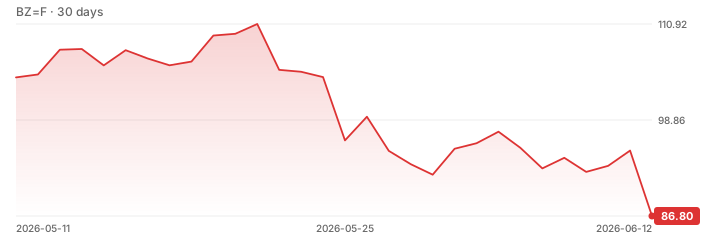
The follow-through in Brent crude prices and freight rates will be key indicators of how markets are pricing in the renewed risk to this vital energy corridor.