The Strait of Hormuz has shifted from a backdrop of regional conflict to the primary leverage point in ongoing diplomatic negotiations between Iran and the United States.
While public attention remains fixed on ceasefire terms, asset unfreezing, and the future of Iran’s nuclear program, reports indicate that control over the world’s most critical oil transit route is now the decisive factor in the talks.
This development marks a significant escalation in the geopolitical stakes surrounding the chokepoint.
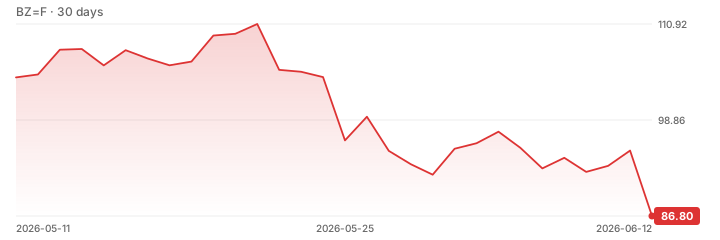
The Strait handles roughly one-fifth of global oil consumption, and any ambiguity regarding its security directly impacts freight rates, tanker insurance premiums, and Brent crude pricing.
The framing of the negotiations as a contest for trade control suggests that market participants should expect continued volatility in energy and shipping sectors until a clear regulatory or security framework is established.
The shift in focus comes amid a fragile recovery in global shipping lanes.