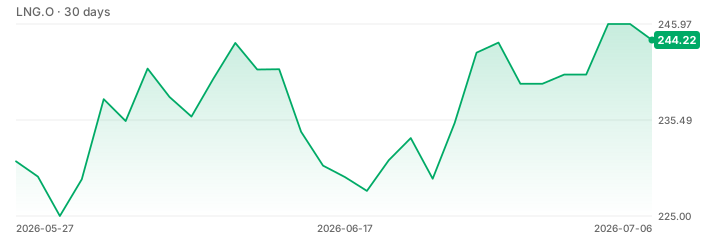
Four oil and gas tankers aborted their transit through the Strait of Hormuz on Tuesday after projectiles struck vessels in the narrow waterway, marking a significant escalation in shipping risks at the global energy chokepoint.
Data from analytics firms Kpler and Consensus showed that the LNG carriers Al Ghariya, Duhail, and Al Ruwais, along with a fourth vessel, had been inching westward toward the strait before abruptly changing course to turn away late in the day.
The retreat comes as smoke was seen rising from an unknown location following what the U.S. Central Command described as a new wave of strikes against Iran, compounding fears for commercial traffic in the region.
The incident underscores the fragility of the interim peace framework that had previously stabilized the corridor.
A container ship was struck by an unidentified projectile in the strait just days earlier, marking the first reported attack on commercial traffic since the preliminary US-Iran deal took effect. The British military has also confirmed a separate attack on a tanker in the area, signaling a broad deterioration in security for one of the world’s most critical energy arteries.
For markets, the renewed violence threatens to reignite the supply shock dynamics that have driven volatility in Brent crude and LNG prices.
The strait handles roughly a fifth of the world's oil consumption, and any sustained disruption to tanker flows could trigger immediate repricing in energy and freight markets.
The decision by major carriers to avoid the route entirely, rather than attempt transit, suggests that insurance premiums and risk assessments have reached a threshold where commercial viability is in question.