A fleet of 10 Japan-linked vessels has exited the Strait of Hormuz, marking a significant step toward the normalization of shipping traffic in the region.
Shipping data from consensus providers showed the ships leaving the strait on Monday after being stranded in the Gulf for months due to the Iran conflict.
The movement follows a series of departures by South Korean-operated vessels, indicating that the chokepoint is gradually reopening to commercial traffic.
The resumption of flows by these major fleets reduces the immediate risk premium embedded in energy and freight markets.
With the Strait of Hormuz handling a substantial portion of global oil trade, the return of these tankers helps alleviate supply-side fears that had persisted since the escalation of hostilities.
This development aligns with broader signs of de-escalation, including a ceasefire agreement that has allowed other nations to resume transit.
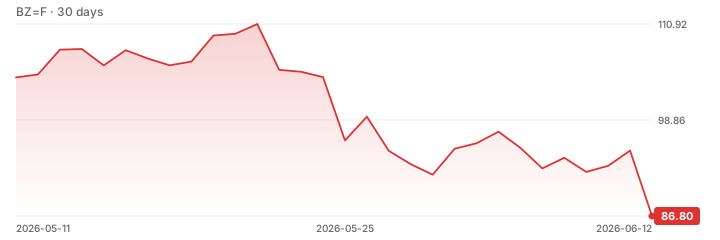
Brent crude prices have shown sensitivity to these shipping updates, with recent slips attributed to the offsetting impact of OPEC+ output hikes and easing Hormuz risks.
The exit of the Japanese fleet further supports the view that the acute phase of the shipping disruption is passing, though traders remain cautious about the durability of the truce.