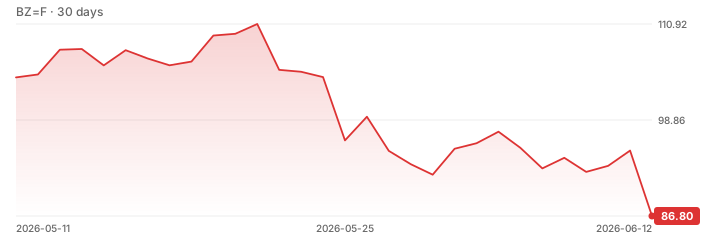
The United States and Iran have engaged in direct military exchanges in the Strait of Hormuz for a second consecutive day, marking a sharp escalation in regional hostilities.
The clashes, which began with Washington launching strikes in retaliation for an Iranian attack on a commercial tanker, have now expanded into a broader battle over control of the strategic waterway.
Both sides are accusing the other of initiating the latest round of fire, underscoring the volatility of the situation.
This development represents a significant deterioration from the diplomatic warnings issued earlier in the month, when Iran threatened forceful responses to tankers deviating from approved routes. The shift from rhetoric to active combat in one of the world’s most critical shipping corridors raises immediate concerns about the safety of commercial transit.
Shipping companies and energy traders are now facing heightened uncertainty regarding route security and potential disruptions to oil flows.
The market implication is a sustained risk premium on energy assets.
While specific price movements are being tracked, the mere presence of active military conflict in the Strait of Hormuz is sufficient to keep upward pressure on Brent crude and freight rates.