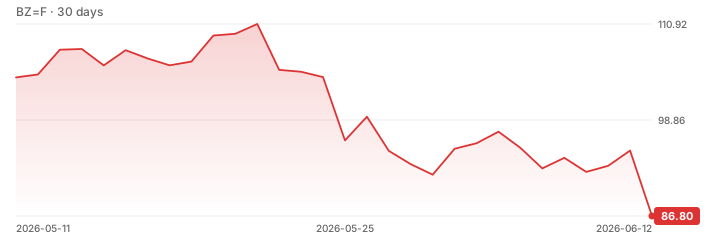
US gasoline prices have begun to decline, marking a potential turning point for consumer affordability after months of climbing costs that strained household budgets.
The drop in fuel expenses is coinciding with a renewed rise in US consumer spending, signaling that the drag on discretionary income is easing.
The combination of cheaper fuel and increased retail activity provides a positive signal for the broader economy.
As gasoline costs recede, consumers are shifting focus back from strict essentials to broader spending categories, which supports corporate revenue streams in the retail and leisure sectors.
This development carries significant implications for monetary policy.
Lower energy prices help cool headline inflation metrics, potentially giving the Federal Reserve more flexibility in its upcoming policy decisions.