The United States has launched a new wave of military strikes against Iran and revoked the license permitting Iranian oil exports, marking a sharp reversal in the diplomatic trajectory that had begun to ease regional tensions.
The escalation follows the hitting of three commercial tankers in the Strait of Hormuz, prompting US Central Command to announce operations intended to impose heavy costs on Tehran.
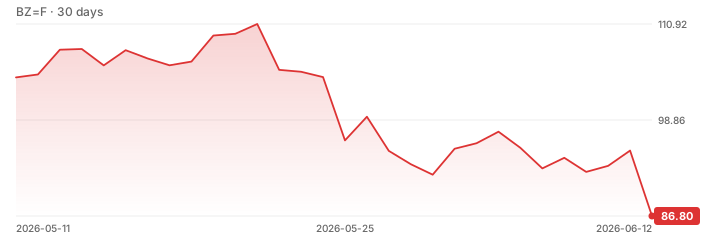
Crude oil prices surged in response to the renewed geopolitical shock, as traders repriced the risk of supply disruption in one of the world’s most critical energy chokepoints.
The reinstatement of sanctions effectively removes a significant volume of Iranian crude from the global market, tightening supply conditions at a time when shipping security is once again in question.
Brent crude moved sharply higher, reflecting the immediate return of the war premium that had evaporated during the recent period of normalized flows.
This development shatters the 60-day peace roadmap agreed upon by the US and Iran in late June, which had led markets to price in a sustained de-escalation.
The previous consensus, built on the neutralization of Hormuz closure threats and the resumption of normal shipping, has been replaced by acute uncertainty regarding route security and insurance costs.
The rapid shift from diplomatic progress to military action underscores the fragility of the recent calm and the sensitivity of energy markets to physical disruptions in the Gulf.
Investors now face a tighter window for risk management as the focus shifts from diplomatic milestones to operational realities in the Strait.