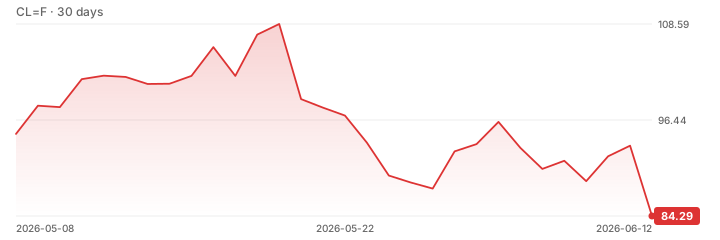
US oil prices surged nearly 3% in early trade on Wednesday, extending gains from the previous session, following reports that the US military launched a series of strikes against targets in Iran.
The escalation marks a sharp deterioration in the security environment of the Persian Gulf, reversing the cautious optimism that had begun to take hold after recent diplomatic efforts.
The market reaction underscores the persistent vulnerability of global energy flows to geopolitical shocks in the region.
With the Strait of Hormuz remaining a critical chokepoint for global oil and LNG shipments, any direct military engagement raises immediate concerns about potential disruptions to tanker traffic and export infrastructure.
This development follows a period of heightened tension, including the US revocation of the general license permitting the sale of Iranian crude oil earlier in the week.
The combination of policy tightening and kinetic action has forced traders to repricing the risk premium embedded in energy contracts.
Investors are now closely monitoring the scope of the strikes and any subsequent response from Tehran.
The focus has shifted from diplomatic negotiations to the immediate physical security of shipping lanes and production facilities.
The next key catalyst will be official statements from the US Department of Defense and the Iranian government regarding the extent of the operations and any retaliatory measures.
Additionally, updates on tanker movements through the Strait of Hormuz will be critical in assessing the actual impact on supply.