Canada’s annual inflation rate accelerated to 3.2% in May, marking the highest level in nearly two and a half years and significantly exceeding economist forecasts.
The data, released by Statistics Canada, signals a sharp reversal in the disinflation trend that had characterized the previous year.
2% on an annual basis, reflecting the direct pass-through of heightened global oil prices to the consumer level.
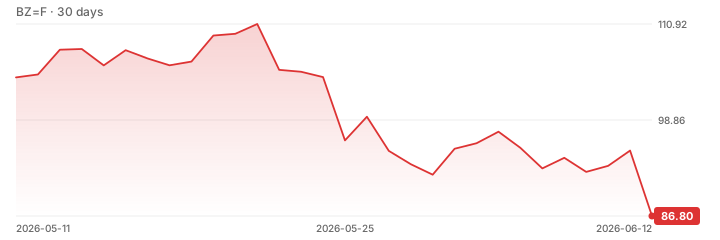
Petrol prices were the primary driver of the surge, rising 33.2% on an annual basis, reflecting the direct pass-through of heightened global oil prices to the consumer level.
The acceleration in headline inflation complicates the outlook for the Bank of Canada, which has been navigating a delicate balance between supporting economic growth and ensuring price stability.
With energy costs remaining elevated due to geopolitical tensions and supply constraints, the central bank faces renewed pressure to maintain a restrictive monetary policy stance for longer than previously anticipated.
The surge in fuel costs also weighs heavily on household budgets, potentially dampening consumer spending in other sectors as households reallocate funds to cover essential transportation and heating needs.