Canada’s annual inflation rate jumped to 3.2% in May, marking the highest level in nearly two and a half years and significantly exceeding economist forecasts.
The data, released by Statistics Canada, signals a sharp reversal from the previous month’s reading and underscores the persistent impact of elevated energy costs on the broader economy.
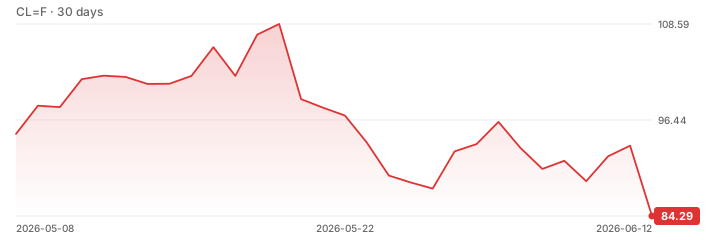
The surge was primarily driven by gasoline prices, which have risen as the impact of higher crude oil costs—exacerbated by the ongoing conflict in Iran—filters through to consumers.
This energy-driven inflationary pressure is complicating the outlook for the Bank of Canada, which has been navigating a delicate balance between supporting growth and ensuring price stability.
The hotter-than-expected print increases the likelihood that the central bank will maintain a cautious stance on future rate adjustments.
Markets reacted swiftly to the data, with the Canadian dollar coming under pressure against the US dollar as traders reassessed the probability of near-term monetary easing.
The inflation spike also raised concerns about the broader economic impact, particularly for households already grappling with high living costs.