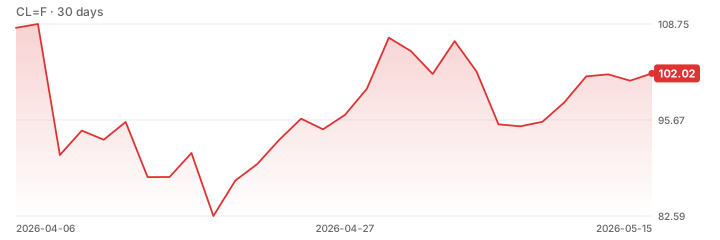
A rapid contraction in Chinese crude oil imports has acted as a critical price ceiling, preventing global benchmarks from climbing even higher since the outbreak of the U.S.-Iran conflict.
While the geopolitical escalation in the Middle East has injected significant supply-risk premiums into energy markets, the sudden cooling of demand from the world's largest oil importer has effectively capped crude prices below the $100 per barrel threshold.
This demand-side shock is currently the primary factor keeping the broader energy complex from breaking out into uncharted territory.
Analysts warn that this temporary relief is unlikely to persist.
As the market gradually works through the supply disruptions caused by the war, the absence of Chinese demand will eventually be offset by necessary price increases to restore equilibrium.
The current price stability is a function of weakened demand rather than a resolved supply crisis, meaning that any stabilization in Chinese import volumes could trigger a sharp repricing of crude assets.