European Union member states are prohibited from signing new liquefied natural gas contracts with Russia, a restriction that has been in force since the end of April.
The policy, part of the bloc's broader sanctions regime targeting Russian energy exports, is now showing tangible effects on global gas routing and pricing structures.
The ban effectively locks European buyers out of the Russian LNG market for new deals, forcing Moscow to redirect cargoes to other destinations.
China and other Asian economies are positioned to absorb the displaced supply, altering the competitive landscape for global LNG.
This shift reduces the availability of Russian gas in Europe, where importers must rely more heavily on alternative sources such as the United States, Qatar, and Norway to meet demand.
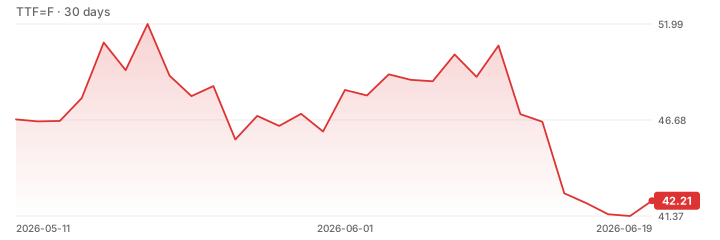
European gas prices have responded to the tightening supply outlook, with TTF futures reflecting the increased reliance on non-Russian imports.