Consumer price inflation in Germany slowed to 2.3% year-on-year in June, a notable deceleration from the 2.6% rate recorded in the previous month.
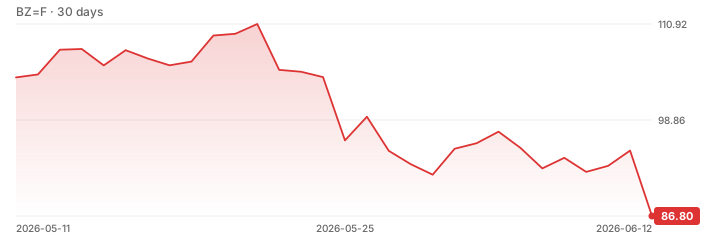
The decline marks a continued easing of price pressures in Europe’s largest economy, driven by two primary factors: a sharp drop in global oil prices and the expiration of the government’s temporary fuel subsidy program at filling stations.
The end of the state-backed discount at gas stations, combined with softer crude benchmarks, exerted downward pressure on energy costs, which are a significant component of the consumer price index.
This dynamic helped pull the headline inflation figure lower than the prior month’s reading, aligning with broader disinflationary trends observed across the eurozone.
The data reinforces the view that energy-related price shocks are receding, providing some relief to households and businesses that have been grappling with elevated costs.
For markets, the print suggests that the most acute phase of post-pandemic inflationary pressure in Germany may be behind, although core inflation dynamics remain a key focus for policymakers.