Shipping traffic through the Strait of Hormuz fell to a near-standstill on Sunday, with data showing only five vessels passed through the waterway.
The sharp decline followed Iran's announcement that it had once again closed the strait, accusing Israel and the United States of violating the terms of the interim peace deal.
The move marks a sudden reversal from the previous day, when transit levels were significantly higher, underscoring the volatile nature of the current geopolitical standoff.
The disruption has immediate implications for global energy markets.
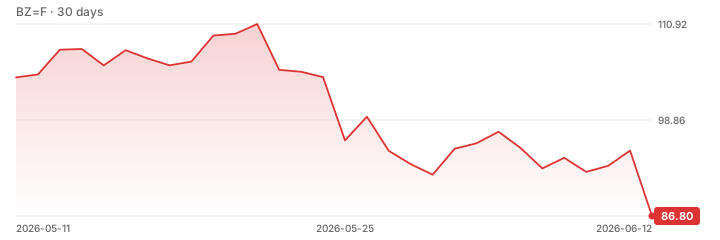
Brent crude prices rose in the session as traders priced in the renewed risk of supply constraints from the world's most critical oil transit chokepoint.
The volatility highlights how quickly sentiment can shift in the shipping and energy sectors when diplomatic tensions flare, even amidst broader efforts to stabilize the region.