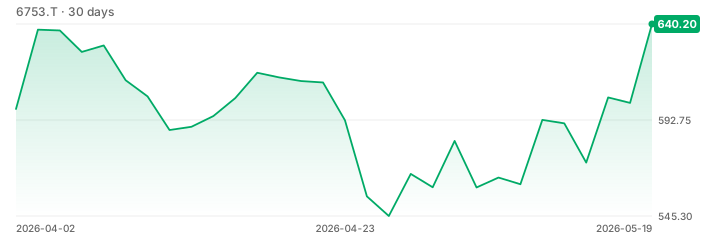
Investors are increasingly betting on a prolonged disruption to global shipping through the Strait of Hormuz, with prediction markets pricing the probability of normal operations resuming before the end of 2026 at just 34%.
The sharp decline in the resumption probability reflects mounting geopolitical pressure on the critical chokepoint and a growing consensus among market participants that transit risks will persist well into the fourth quarter.
The shift in sentiment is driving a repricing of route exposure across energy and shipping assets.
As capital allocators monitor the corridor, the market is discounting near-term normalization and instead pricing in structural friction for freight and tanker flows.
This environment favors assets with diversified routing or those positioned to benefit from elevated freight rates, while exposing concentrated route exposure to sustained volatility.