Iran and Oman are moving forward with proposals to charge commercial vessels for transit through the Strait of Hormuz, marking a significant escalation in the strategic management of the waterway.
The plan draws inspiration from existing voluntary contribution models used in the Straits of Malacca and Singapore, though the geopolitical context of the Hormuz corridor remains vastly more volatile.
This development introduces a tangible new risk premium for global energy markets.
While the fees are described as voluntary in the initial framework, the mere prospect of monetized passage through a chokepoint that handles roughly a fifth of the world's oil consumption threatens to disrupt established shipping routes.
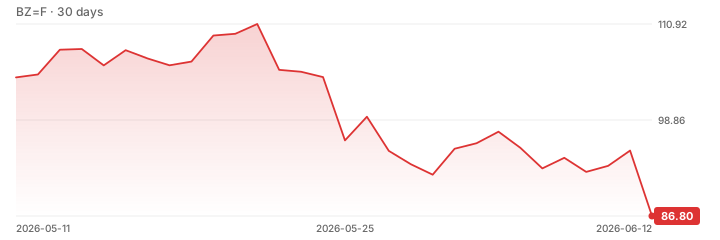
Tanker operators and energy traders are likely to reassess insurance costs and routing strategies, potentially leading to higher freight rates and tighter supply conditions for Brent crude.
The move follows recent agreements between Tehran and Muscat to study the administrative costs of jointly managing the strait.