CNBC's Jim Cramer has publicly challenged the prevailing market narrative surrounding recent U.S. inflation data, characterizing the elevated Consumer Price Index readings as "artificial inflation" that does not accurately reflect the underlying economic reality.
The commentary comes as equity markets continue to grapple with the implications of accelerating price pressures, which have fueled expectations of a more restrictive Federal Reserve policy path.
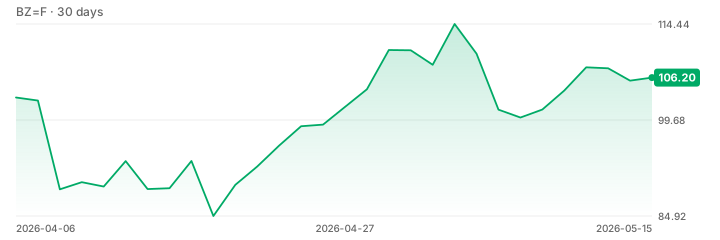
The broad measure of inflation has surged to its highest level in nearly three years, driven largely by escalating energy costs linked to the ongoing conflict in Iran.
While Wall Street analysts have largely interpreted the data as a signal of persistent, broad-based price growth, Cramer argues that the headline figures are misleading.
He suggests that the inflationary spike is largely structural and temporary, rather than a sign of a wage-price spiral or sustained demand-driven overheating.
The latest CPI print, which accelerated at its fastest pace in more than three years, has already forced investors to recalibrate their expectations for interest rate cuts.