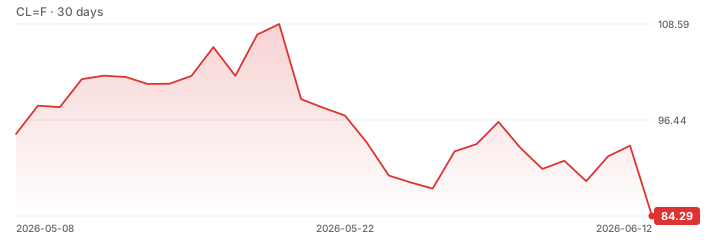
The recent decline in oil prices is providing a crucial buffer against imported inflation, even as the US dollar continues to strengthen.
This dynamic has shifted the immediate macroeconomic focus from pure currency-driven price pressures to a more balanced cross-asset environment, where energy cost reductions partially neutralize the purchasing power erosion typically associated with a rising greenback.
Brent crude and WTI have softened from recent peaks, driven by a combination of easing geopolitical tensions and shifting demand expectations.
The price correction in energy markets acts as a natural hedge for economies heavily reliant on energy imports, reducing the immediate risk of a secondary inflationary spike that could force central banks to maintain tighter monetary policies for longer than anticipated.
This development follows a period of volatility where crude prices had staged a recovery from recent lows, supported by a firmer dollar and recalibrated Federal Reserve policy expectations.
The current slide suggests that market participants are now pricing in a scenario where energy supply risks, particularly those linked to Middle Eastern diplomatic engagements, are receding.