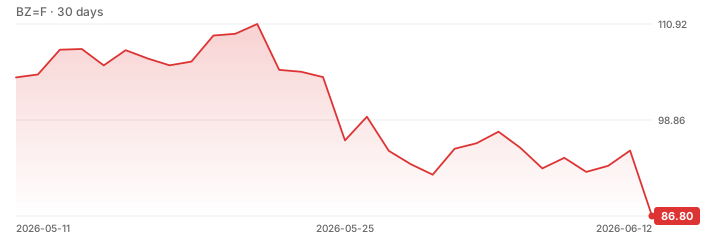
Pakistan will maintain its weekly oil pricing mechanism, a policy designed to align domestic fuel costs with global import premiums and minimize financial losses for state-linked entities.
The decision ensures that price adjustments continue to track international market movements on a short-cycle basis rather than reverting to monthly or fixed-rate structures.
The move aims to protect the country’s fiscal position by preventing the accumulation of subsidies when global crude prices fluctuate.
By tying domestic prices more closely to import costs, the government seeks to reduce the burden on state-owned oil firms, which have historically absorbed significant losses during periods of high global energy prices.
However, the policy has drawn criticism from oil-marketing companies (OMCs), who argue that the frequent revisions create an unpredictable business environment.
Industry representatives warn that the lack of pricing stability discourages foreign investment in the sector, as operators struggle to plan long-term capital expenditures and manage inventory risks in a volatile pricing regime.