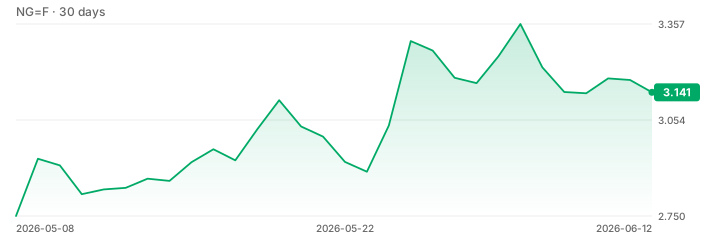
The Strait of Hormuz continues to dominate diplomatic efforts to end the Middle East war, remaining a critical point of contention even after the United States and Iran signed a preliminary peace agreement.
The narrow waterway, which handles a significant share of global crude oil and liquefied natural gas trade, is at the heart of the ongoing disputes between the two nations.
This persistent geopolitical friction maintains pressure on global energy supply chains.
While the preliminary deal signals a potential de-escalation, the unresolved status of the Strait means that shipping routes remain exposed to disruption risks.
Markets have been pricing in this uncertainty, with energy flows and freight rates sensitive to any further developments in the corridor.
The strategic importance of the Strait extends beyond immediate energy flows.