A proposed diplomatic framework to end the two-month conflict between the United States and Iran is encountering significant headwinds from within the president's own political coalition, according to multiple reports.
The plan, which aims to secure U.S. strategic interests while offering Tehran sanctions relief, is now navigating a complex domestic political landscape that threatens to derail the finalization of a one-page agreement.
The emerging resistance within the administration's ranks introduces a new layer of uncertainty to the negotiations.
While U.S. and Iranian officials have reportedly been close to finalizing the text, the internal political friction suggests that the path to a signed deal is far from smooth.
This domestic pushback complicates the strategic calculus for Israeli Prime Minister Benjamin Netanyahu, who has been closely aligned with the U.S. hardline stance on Iran.
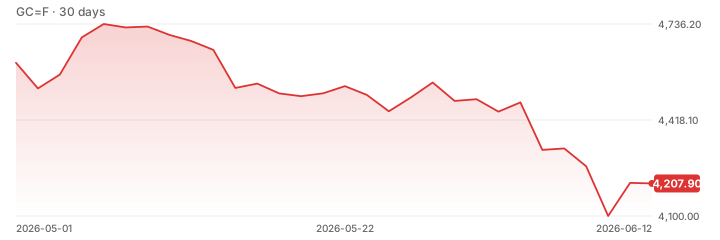
For markets, the political stalemate implies that the anticipated resolution to the regional conflict may be delayed.