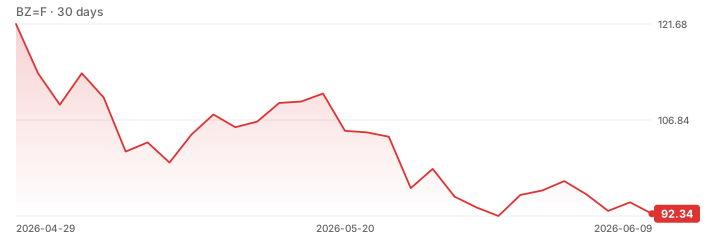
US consumer prices accelerated at their fastest pace in more than three years during May, with the Consumer Price Index climbing to a new peak as the ongoing conflict in Iran continued to drive up energy costs.
The latest data underscores how geopolitical tensions are translating directly into household expenses, adding a layer of complexity to the Federal Reserve's monetary policy outlook.
The surge in inflation is largely attributed to rising energy costs, which have been exacerbated by the ongoing conflict in Iran.
This dynamic has created a challenging environment for consumers, with higher gas prices impacting everything from daily commutes to broader transportation costs.
The persistent pressure on energy markets is a key driver of the current inflationary trend, highlighting the tangible economic impact of the geopolitical situation.
This development follows a similar trend observed in April, when inflation in the United States surged to 3.8%, the highest level in nearly three years.