US consumer price inflation accelerated to its highest level in more than three years in May, with the Personal Consumption Expenditures (PCE) price index rising 4.1% year-on-year.
The data, released by the Bureau of Labor Statistics, underscores that underlying price pressures remain entrenched even as Americans continue to spend at a robust pace.
Core PCE inflation, which strips out volatile food and energy costs, also climbed to an annual rate of 3.4%, marking the highest reading since October 2023.
The combination of sticky inflation and resilient consumer spending significantly complicates the Federal Reserve’s policy outlook.
With price growth accelerating rather than cooling, the central bank faces mounting pressure to maintain restrictive interest rates for longer than previously anticipated.
Markets had been pricing in potential rate cuts later this year, but the hotter-than-expected PCE print suggests that the Fed may need to hold steady or even consider further tightening if inflation fails to decelerate in subsequent months.
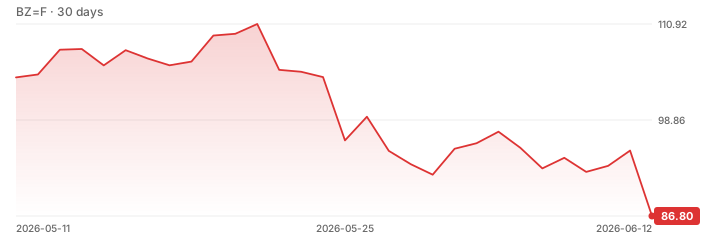
The inflation surge comes amid ongoing geopolitical tensions, including fallout from the Iran conflict, which has contributed to elevated energy costs and supply chain disruptions.
Despite these external shocks, US consumers have continued to power through higher prices, driven by strong labor markets and accumulated savings.