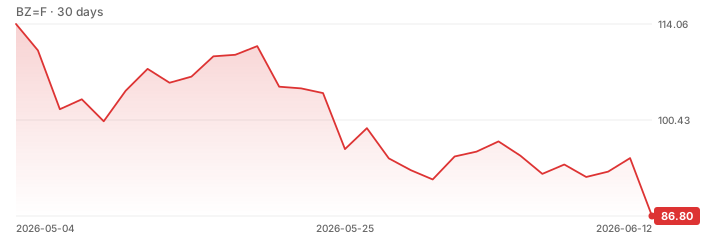
Argentina’s fuel pricing mechanism has successfully insulated domestic consumers from the immediate impact of Middle East geopolitical tensions, but the financial strain on the system is mounting.
According to analysis by Infobae, the price buffer has prevented a direct pass-through of global crude spikes to retail pumps, shielding households from the full force of the supply shock premium seen in international markets.
However, this protection comes at a cost.
The government has accumulated significant debt with domestic oil producers, creating a fiscal bottleneck that makes any near-term price reduction unlikely.
The report indicates that a cut in fuel prices is not expected before September, as authorities navigate the balance between consumer affordability and producer solvency.
The erosion of purchasing power remains a critical concern for Argentine households.