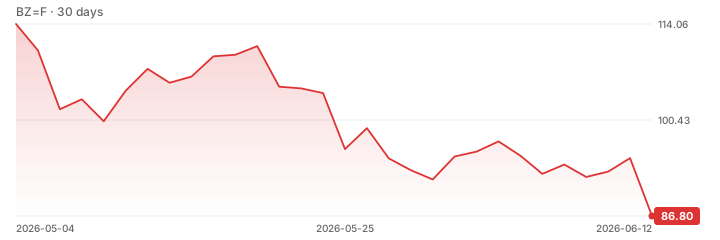
Brent crude futures climbed in early trading as new shipping data revealed a sharp increase in Automatic Identification System (AIS) signal blackouts across the Strait of Hormuz.
The surge in tracking gaps has reignited concerns among energy traders about the vulnerability of critical oil transit routes, adding to existing supply-side risks in the global market.
The Strait of Hormuz remains the world's most important oil chokepoint, with roughly a fifth of global oil consumption passing through the narrow waterway daily.
Any disruption to tanker traffic in the region typically triggers immediate repricing in crude benchmarks, as markets price in the potential for delayed deliveries and higher insurance premiums.
The recent spike in AIS blackouts suggests that vessels may be deliberately turning off transponders to avoid detection, a tactic often associated with heightened security threats or hostile activity in the region.
Handelsavisen analysis notes that while the immediate physical flow of oil has not been interrupted, the psychological impact on traders is significant.