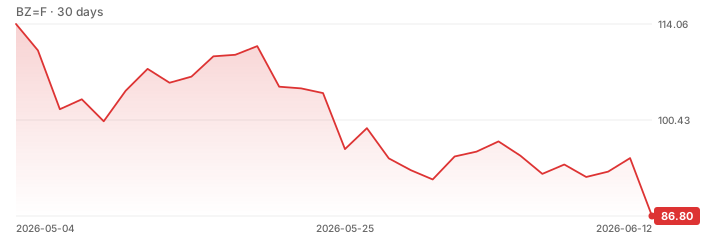
Brent crude futures climbed more than 3% in early Asian trading on Wednesday, driven by fresh reports of military escalation in the Middle East.
The US military confirmed it had intercepted multiple missiles launched by Iran, while US and Saudi forces carried out strikes against Iran-backed militants in Iraq following drone attacks on American positions.
The rapid deterioration in security conditions has immediately reignited concerns about the stability of global energy supply routes.
The price move reflects a sharp repricing of geopolitical risk after a period of relative calm.
Oil prices had retreated to pre-war levels earlier in June as shipping through the Strait of Hormuz appeared to normalize, but the latest attacks suggest that underlying tensions remain volatile and capable of disrupting trade flows at short notice. The market is now assessing the potential for broader conflict that could impact not only immediate supply but also the long-term security of key chokepoints.
This escalation follows a series of warnings from international bodies about the persistent vulnerability of global trade to regional instability.
UNCTAD recently highlighted that oil and food price shocks continue to pose significant risks to vulnerable economies, even as diplomatic efforts attempt to de-escalate the situation. The current military actions undermine those diplomatic channels and increase the likelihood of sustained premium pricing for energy commodities.