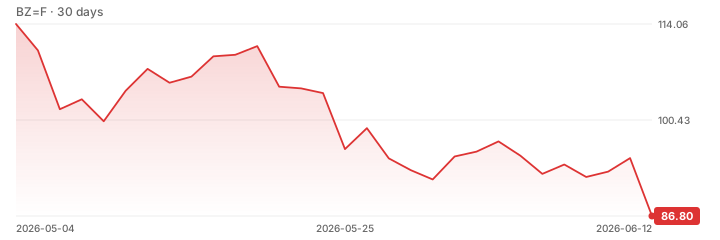
Brent crude has climbed above $96 per barrel, marking a more than 30% increase in July as global energy markets absorb a confluence of supply shocks.
The rally is driven not only by renewed geopolitical tensions but by tangible physical disruptions in key European markets, where the loss of Russian diesel exports is already causing localized shortages.
In Hungary, the absence of Russian diesel has led to physical stockouts at select service stations, illustrating how the broader crude rally is translating into immediate retail fuel pressures.
This development follows the expiration of price caps and subsidies across parts of Europe earlier in the month, which had already triggered significant price increases in countries like Poland.
The current price action reflects a shift from speculative geopolitical risk to realized supply tightness.
While previous volatility was largely capped by ceasefire expectations, the current environment sees traders pricing in persistent instability.
The surge in energy costs is compounding inflationary pressures, particularly in the eurozone where fuel costs remain a primary driver of consumer price indices.
For investors, the key implication is the potential for further repricing in energy equities and freight rates as supply chains adjust to the new reality of reduced Russian product flows.
The market is now watching for signs of whether these physical shortages will spread beyond Central Europe or if alternative supply routes can quickly fill the gap.