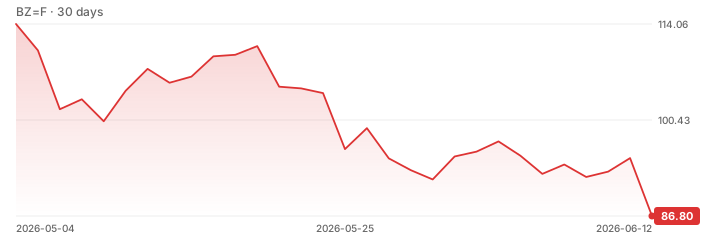
Brent crude is fluctuating between US$70 and US$90, a range defined less by traditional supply and demand dynamics than by the escalating geopolitical tensions in the Middle East.
The benchmark, which spiked to US$120 in March following the outbreak of hostilities between the United States and Iran, has since settled into a volatile band where risk premiums dominate pricing logic.
This shift marks a structural change in the energy market.
With the Strait of Hormuz remaining a focal point of military activity, the threat of supply disruption continues to underpin prices, preventing a return to pre-conflict levels despite softer global demand signals.
The market is effectively pricing in a persistent geopolitical risk premium, keeping volatility elevated.
For economies heavily reliant on energy imports, such as Argentina, this environment poses significant macroeconomic challenges.