China is intensifying its push to develop overland trade routes across Central Asia, aiming to reduce dependence on vulnerable maritime shipping lanes amid ongoing disruptions in the Strait of Hormuz.
The strategic pivot includes a new logistics link connecting Afghanistan via Uzbekistan, highlighting Beijing’s efforts to diversify supply chains away from contested sea passages.
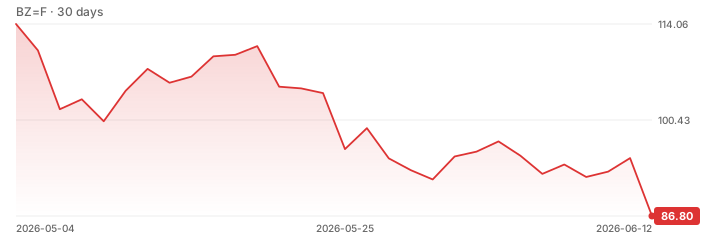
This development follows weeks of market volatility driven by shipping risks in the Middle East, with Brent crude prices fluctuating sharply as tanker traffic patterns shifted.
The move underscores the growing geopolitical pressure on global trade routes, as Beijing seeks to insulate its economy from maritime bottlenecks.
While the new corridor offers a potential alternative for energy and goods transport, questions remain about the security and stability of logistics through Afghanistan under Taliban control.
Critics argue that ensuring safe passage for commercial traffic in the region remains a significant challenge, potentially limiting the immediate impact on global supply chains.
This strategic shift aligns with broader trends of China expanding its land-based infrastructure in Central Asia, a move that has been accelerated by recent disruptions in key maritime chokepoints.