China's economy expanded by 4.3% year-on-year in the second quarter, marking the slowest growth rate since 2022 and falling short of market expectations.
The figure underscores the mounting pressure on Beijing's growth model as external energy shocks collide with persistent internal demand weakness.
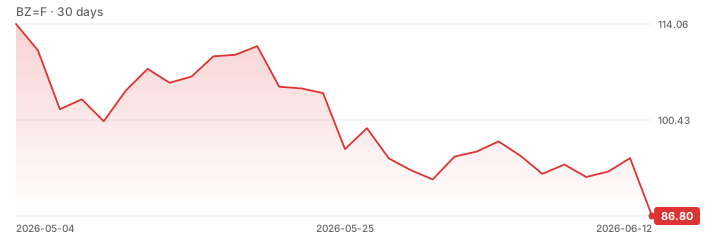
The slowdown was driven primarily by a lackluster domestic consumption environment, which failed to absorb the impact of higher energy prices stemming from the ongoing Iran conflict.
While the manufacturing sector showed resilience, bolstered by strong output in AI-related hardware and robust export volumes, these gains were insufficient to offset the drag from household spending and the cost of imported oil.
The data points to a deepening structural challenge for Chinese policymakers.
The divergence between supply-side strength in technology and demand-side fragility suggests that traditional fiscal levers may be less effective without targeted support for consumer confidence.