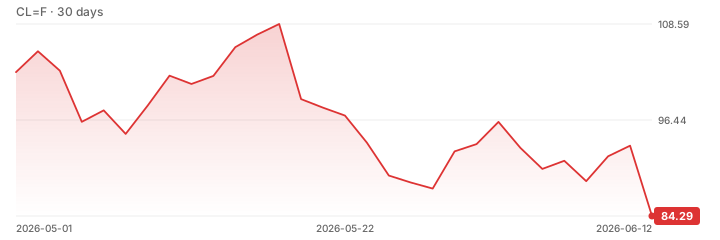
China is leveraging its rapid expansion of electric vehicle (EV) fleets, particularly in the taxi and rideshare sectors, to mitigate the economic impact of oil price volatility stemming from geopolitical tensions in the Strait of Hormuz.
As shipping risks persist in the critical energy corridor, Beijing’s structural shift toward electrification offers a domestic buffer against external supply shocks.
The growing reliance on EVs for urban mobility reduces the sensitivity of Chinese consumer demand to crude oil price spikes.
This trend aligns with broader projections that China’s domestic oil demand is nearing its peak, driven by a rapid transition in both passenger and heavy-duty transport sectors.
By decoupling a significant portion of its transportation energy needs from fossil fuels, China gains resilience against disruptions in global oil flows.
This development underscores a wider strategic positioning by China to stabilize its energy security amid ongoing geopolitical pressures.