Croatian fuel prices have increased at the pump, with experts pointing to a timing mismatch between wholesale crude costs and retail adjustments.
The government published new fuel price data, but industry specialists note that the higher crude costs driven by tensions in Iran will not reach refineries for approximately two months.
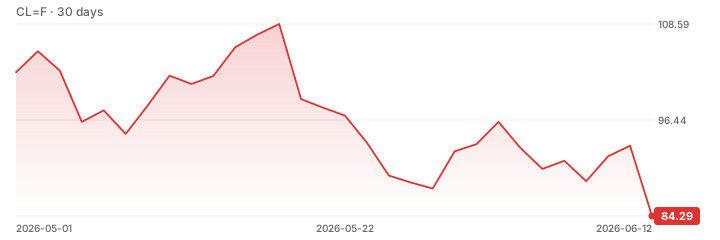
This dynamic mirrors broader trends seen in other markets, where US oil majors have reported strong quarterly profits even as crude prices retreated from recent highs.
Despite this lag, retail prices are already rising, leading to concerns that some market participants are securing extra profits during the transition period.
The divergence between wholesale input costs and retail pricing is a recurring theme in energy markets, particularly when geopolitical risks create forward-looking price pressures.
In this case, the immediate price hike at the pump appears disconnected from the current cost of crude oil, suggesting that retailers or distributors may be front-loading price increases in anticipation of future supply constraints or cost rises.
This dynamic mirrors broader trends seen in other markets, where US oil majors have reported strong quarterly profits even as crude prices retreated from recent highs.