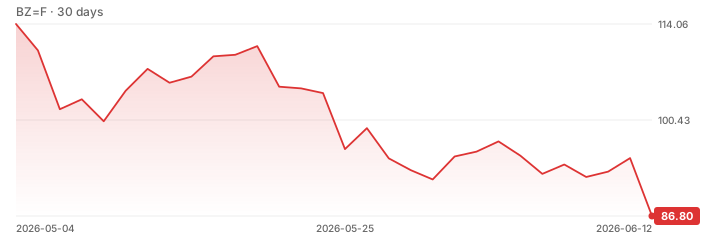
Crude oil futures jumped more than 4% on Monday morning following the escalation of direct military conflict between the United States and Iran.
The price surge was triggered by reports that both nations launched attacks on each other's targets in West Asia, marking a significant deterioration in regional stability.
Compounding the market's anxiety, Iranian officials announced intentions to close the Strait of Hormuz to shipping.
The strait serves as a critical chokepoint for global energy supplies, and any disruption to tanker traffic would immediately tighten available crude inventories and drive prices higher.
This threat represents a direct challenge to global trade routes that markets have been pricing in since tensions flared earlier in the year.
The development follows a period of volatile repricing in energy markets.
Brent crude had previously climbed sharply on Wednesday amid renewed geopolitical tensions, and earlier in the week, futures rose 3.08% after Iran expanded military strikes on Gulf states. The current escalation moves beyond diplomatic posturing or limited skirmishes, introducing the risk of a sustained supply bottleneck.
Traders are now assessing the likelihood of an actual blockade versus rhetorical pressure.