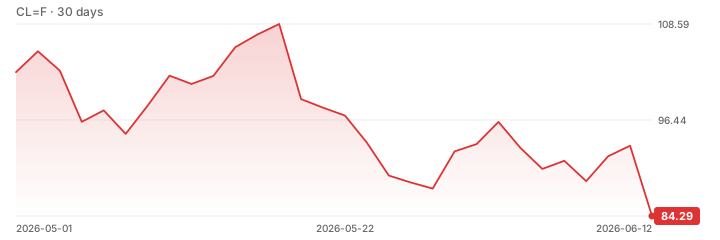
The European Union has formally agreed on its 21st sanctions package against Russia, confirming that the existing oil price cap will remain in effect.
The decision concludes weeks of diplomatic negotiations among member states and signals a continuation of the bloc's strategy to constrain Russian energy revenues without triggering a broader supply disruption.
The maintenance of the price cap is a critical development for global energy markets.
By keeping the mechanism active, the EU ensures that Russian crude exports continue to flow under regulated pricing, preventing a sudden withdrawal of supply that could spike Brent and WTI prices.
This approach balances the political objective of pressuring the Russian economy with the economic necessity of stabilizing global energy costs.
The 21st package also targets other key sectors, though the oil price cap remains the most significant element for commodity traders.