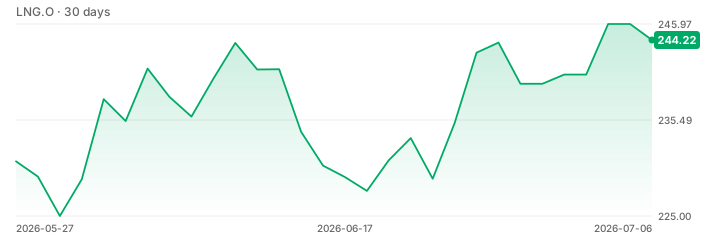
European natural gas storage levels have dropped to their lowest point in 15 years, creating a critical challenge for the bloc as the summer injection season progresses.
At the start of the refill period, underground facilities were only 28 percent full, significantly below the levels required to ensure security of supply for the upcoming winter.
This shortfall forces the EU to rely heavily on increased imports of liquefied natural gas (LNG) to bridge the gap before colder weather drives demand higher.
The tight supply picture has intensified market scrutiny on European energy balances.
With injection rates lagging, traders are pricing in a tighter winter market, which supports higher forward prices for TTF gas and keeps a floor under spot LNG valuations.
The reliance on regasification terminals to compensate for low storage buffers adds operational complexity and cost, particularly if global LNG supply remains constrained by competing demand from Asia or geopolitical disruptions in key export regions.