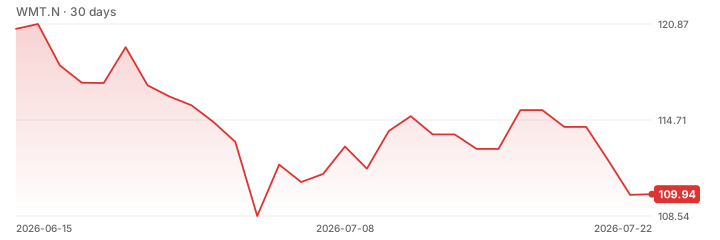
The Federal Reserve is undertaking a significant overhaul of its inflation monitoring framework, shifting toward high-frequency, granular data sources to gain a more immediate read on U.S. consumer prices.
This structural change in how policymakers assess inflation comes at a critical juncture, as the central bank weighs the possibility of interest-rate hikes for the first time in the current cycle.
The move signals a departure from reliance solely on lagging monthly indicators.
By integrating real-time metrics, such as Walmart’s sales data, the Fed aims to reduce the information lag that has historically complicated monetary policy decisions.
This enhanced visibility allows policymakers to react more swiftly to emerging price pressures, a capability that markets are now scrutinizing closely.
In parallel, financial markets have adjusted their expectations for the federal funds rate.