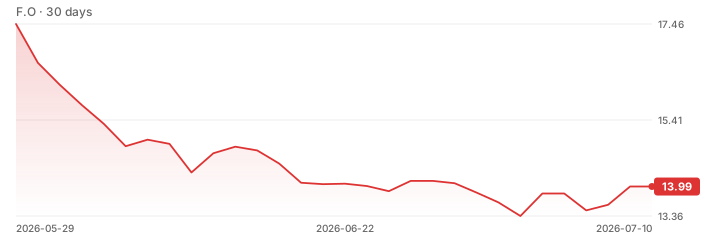
More than 5,000 Ford Motor Co. workers in Canada are voting this weekend on a tentative three-year collective agreement with the Unifor union.
The deal outlines annual wage increases of 3% for each of the three years, alongside improved benefits and pension plan enhancements.
The vote represents a critical juncture for labor relations at the automaker’s Canadian operations.
While the agreement offers structured compensation growth, it arrives against a backdrop of significant macroeconomic uncertainty.
A comprehensive tariff agreement between the United States and Canada is not expected to be finalized before the US midterm elections in November, according to Steve Verheul, Canada’s former chief trade negotiator.
This delay leaves the auto sector exposed to potential trade policy shifts that could impact cross-border supply chains and production costs.